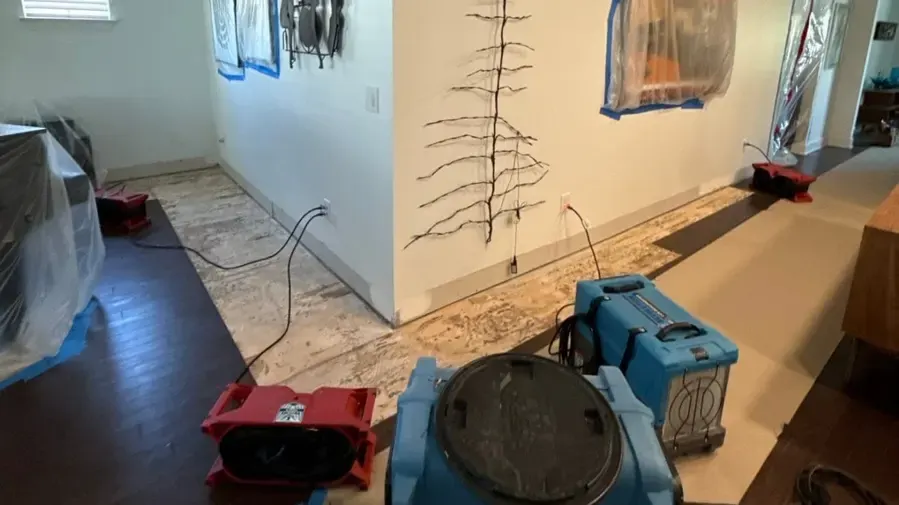
Water Damage Restoration Lebanon, TN
Water damage restoration in Lebanon, TN, any hour of the day. The drying team clears standing water, brings framing and floors to the IICRC S500 goal and keeps the records an adjuster asks for, from the Lebanon Square to Hunters Point Pike.
(888) 849-5796Call for Cedar City water removalZIP 37087 and 37090, plus Mount Juliet and Watertown.
Water Damage Restoration Services in Lebanon, TN
Water losses in Lebanon come from many directions, and the work changes with each source. Creek flooding, tornado-damaged roofs and apartment leaks through shared ceilings tend to lead the list.
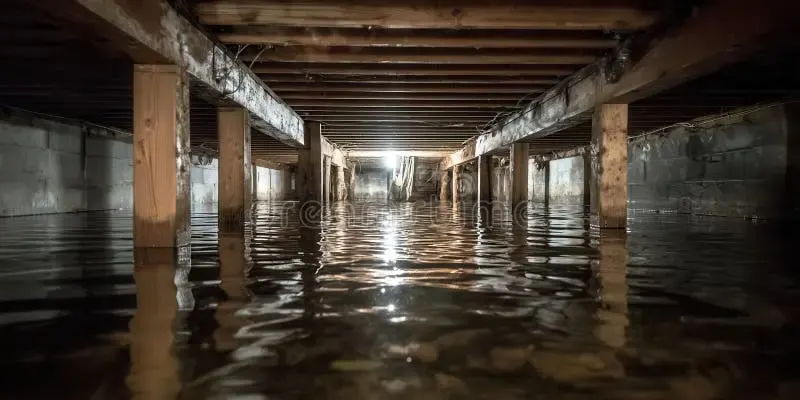
Crawl Space Water Damage
Rain and creek water drained from under older Lebanon houses, with the sodden barrier removed and the framing dried until readings agree.
See crawl space water damage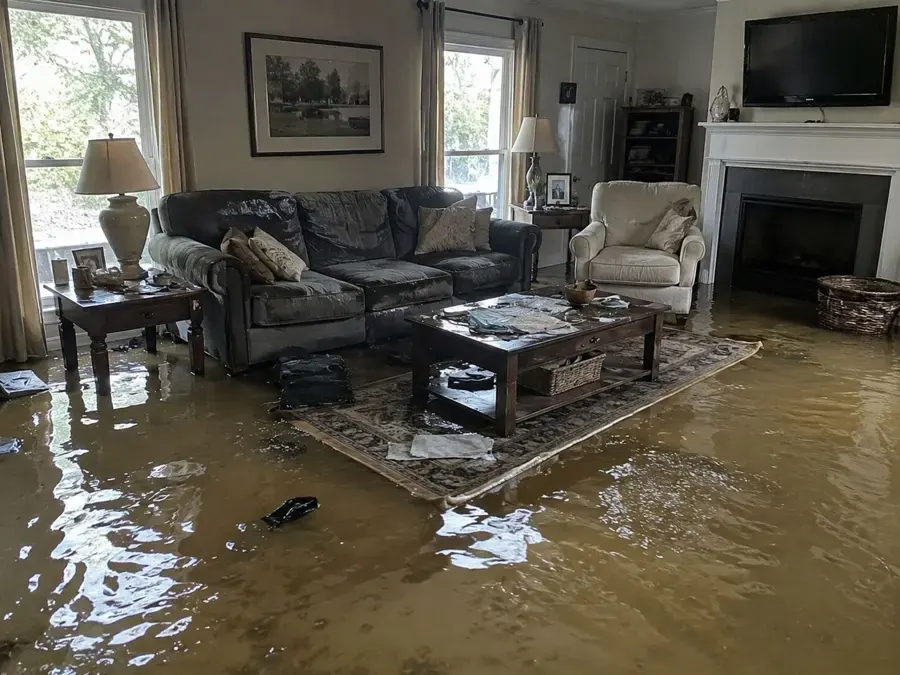
Storm and Creek Flood Cleanup
Sinking Creek, Town Creek and Spencer Creek overflow handled as Category 3 water, with wet materials removed and the structure dried.
See storm and creek flood cleanup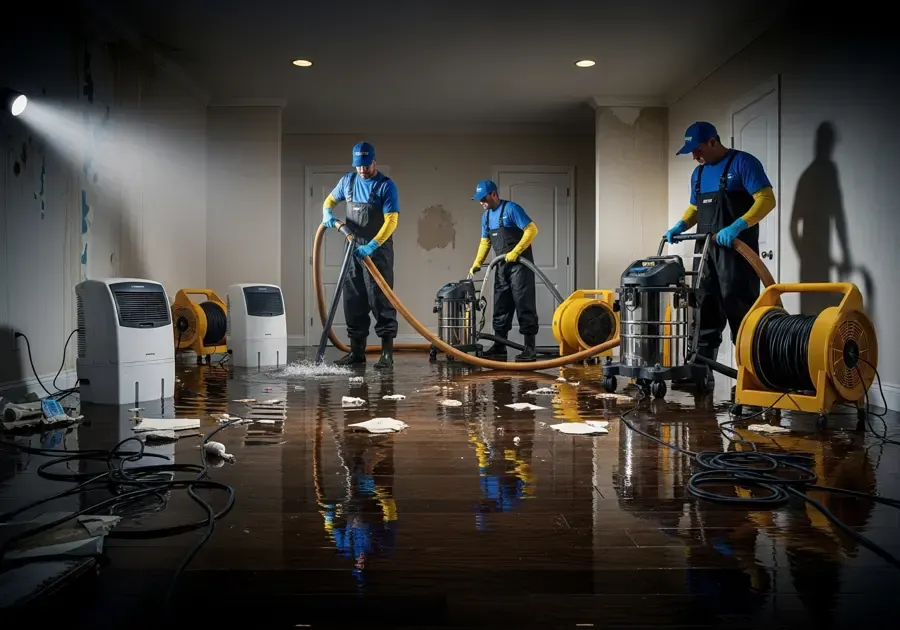
Water Extraction and Removal
Standing water lifted fast from Square shops and low-lying homes before drywall can draw it up.
See water extraction and removal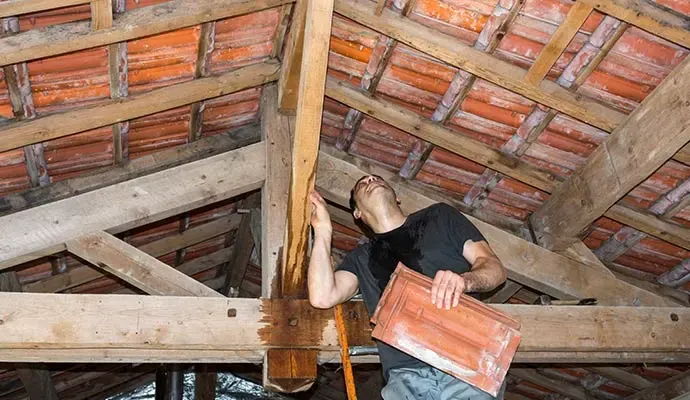
Storm Roof Leak Water Damage
Tornado and wind openings tarped, soaked attic insulation pulled and ceilings dried.
See storm roof leak water damage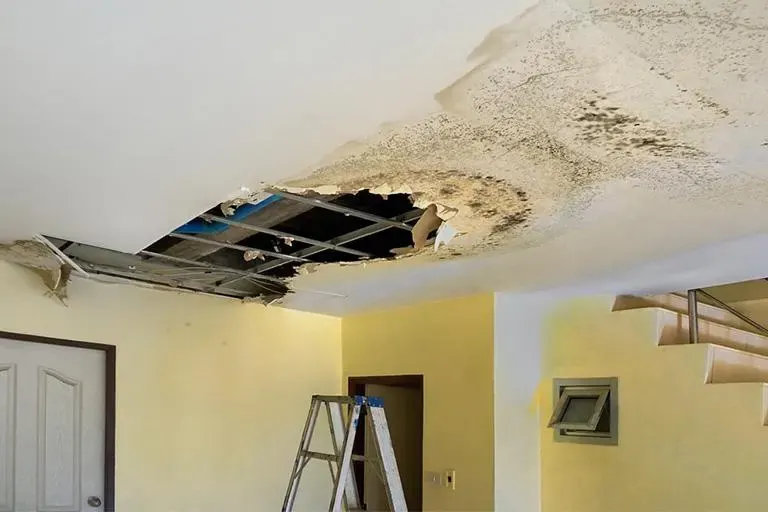
Ceiling Leak Water Damage
Leaks from the unit above traced through townhome and apartment ceilings, joist bays dried.
See ceiling leak water damage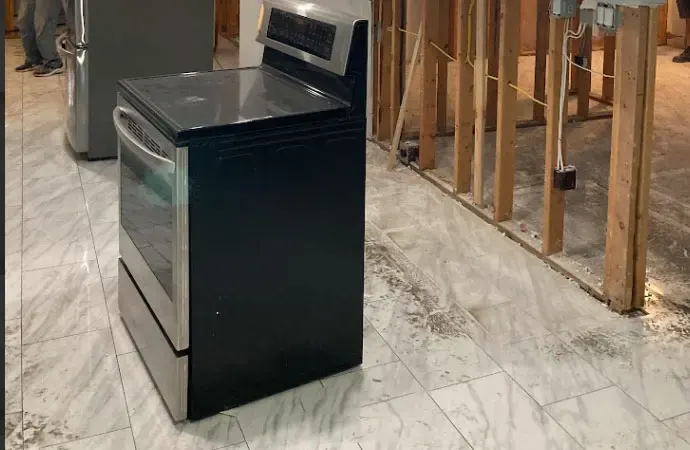
Burst Pipe Water Damage
Freeze-split pipes extracted, with only the walls that read wet opened up.
See burst pipe water damage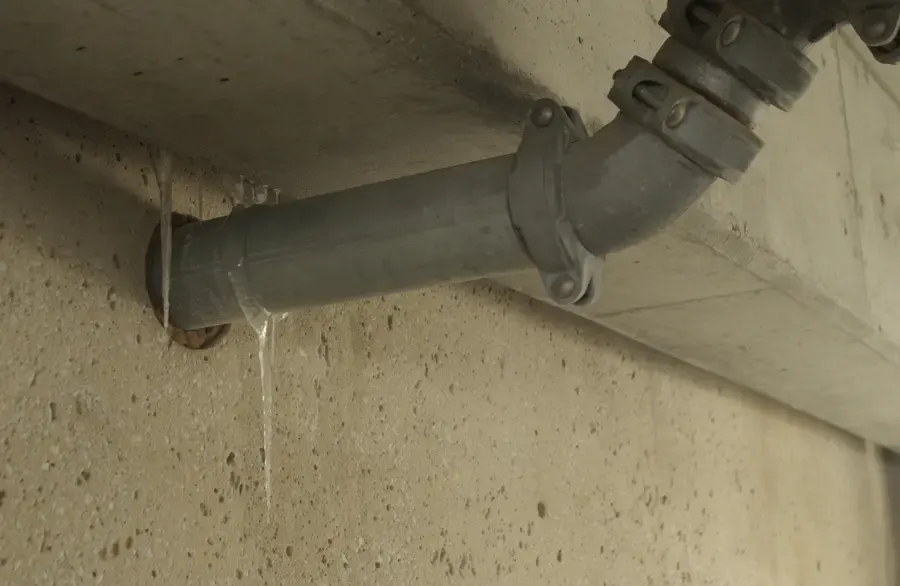
Frozen Pipe Cleanup
Freeze breaks in attics, crawl spaces and exterior walls located, then dried out.
See frozen pipe cleanup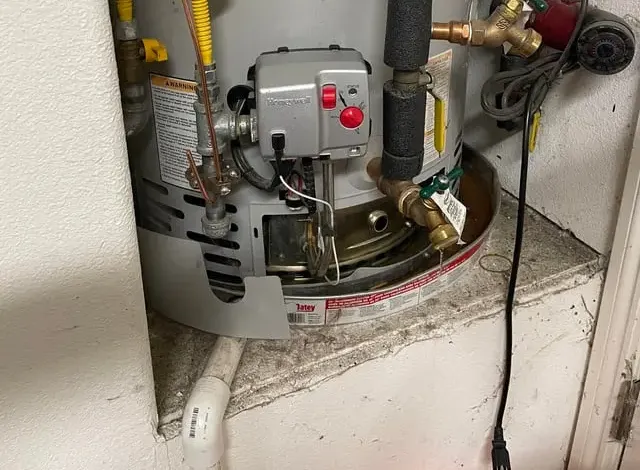
Water Heater Leak Cleanup
Tank failures in closets and garages extracted, and the drain pan and floor dried.
See water heater leak cleanup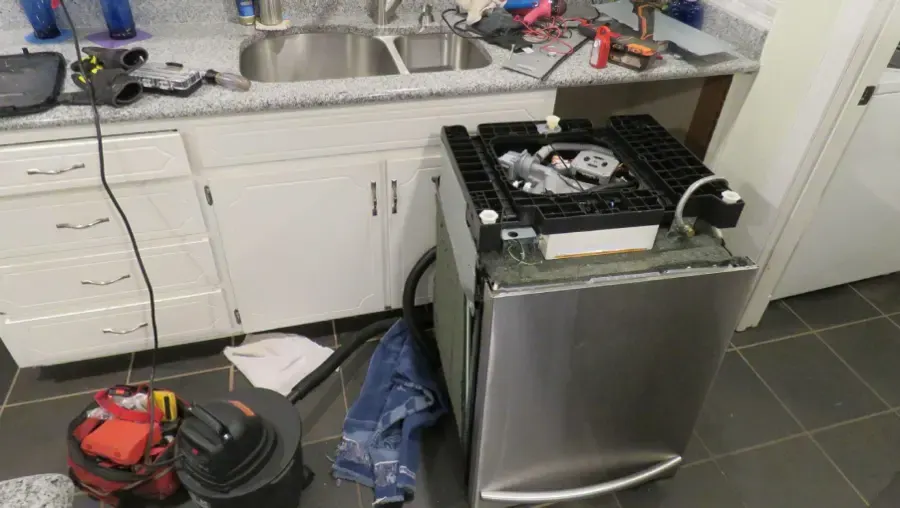
Appliance Leak Water Damage
Washer, dishwasher and refrigerator leaks dried under cabinets in townhomes and newer subdivisions.
See appliance leak water damage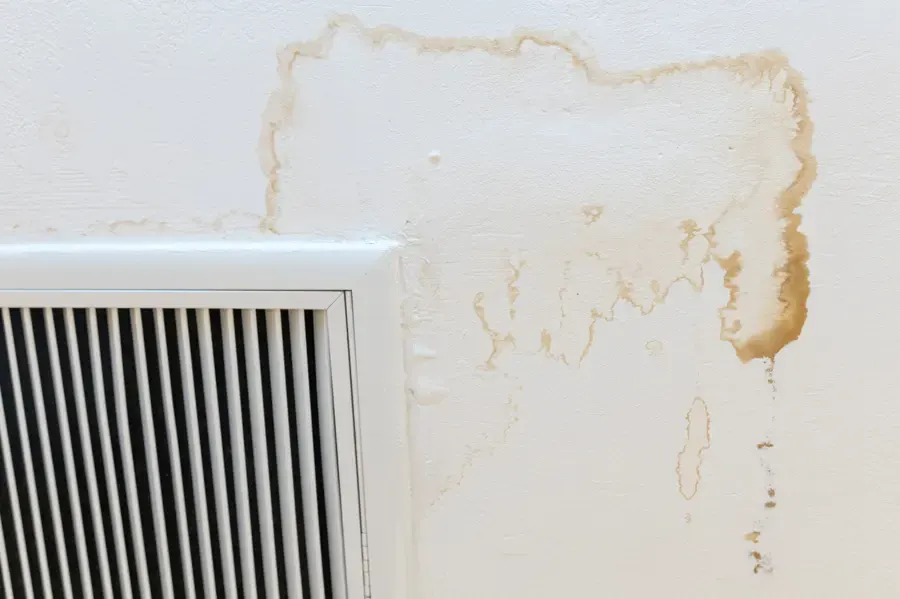
AC Leak Water Damage
Plugged condensate drains and spilled pans dried before a humid summer sags the ceiling.
See ac leak water damage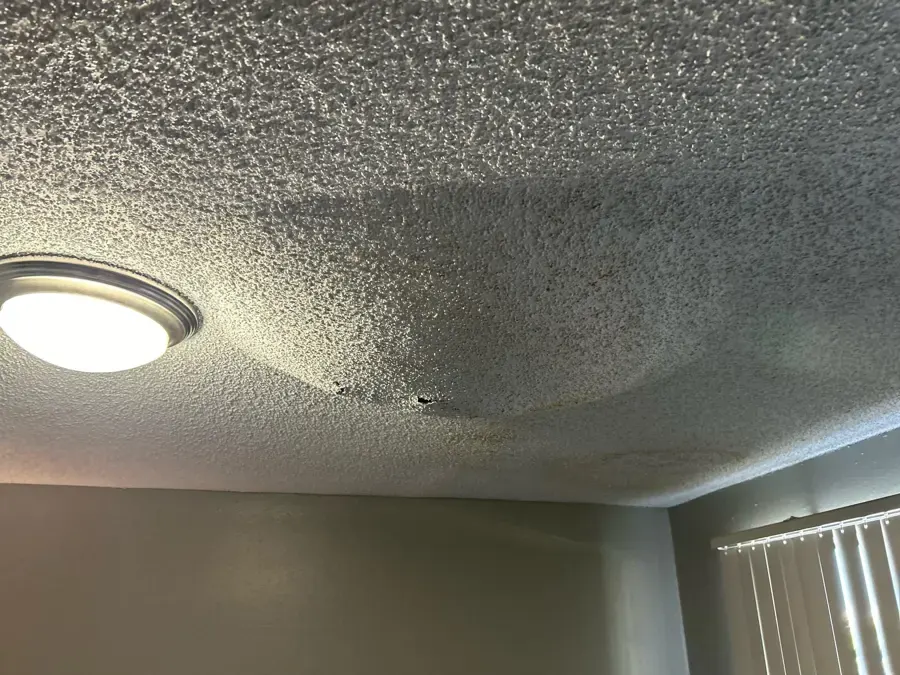
Apartment and Townhome Water Damage
Leaks that cross from one home to the next traced through shared walls and dried in each.
See apartment and townhome water damage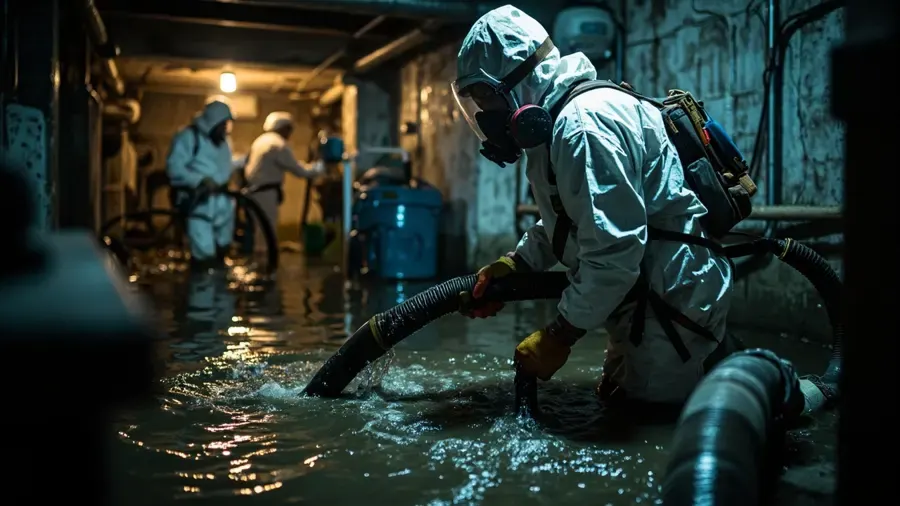
Sewage Backup Cleanup
Sewage pushed back by heavy rain contained, absorbent finishes removed and surfaces treated.
See sewage backup cleanup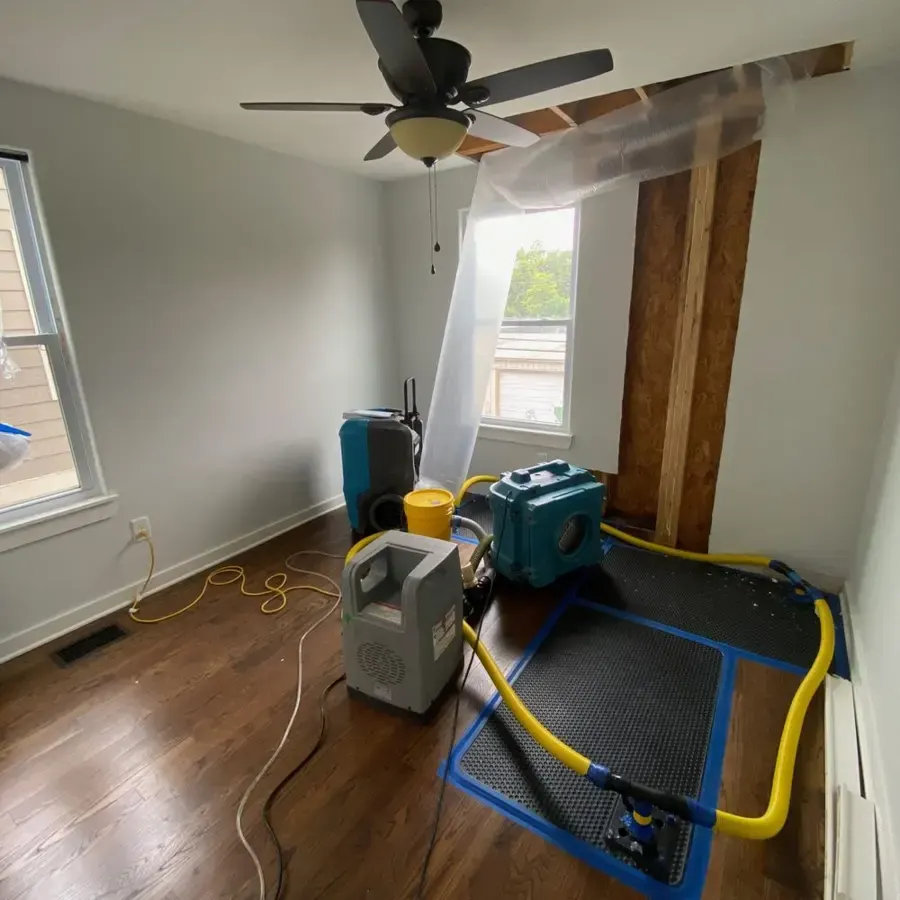
Structural Drying and Dehumidification
Framing, subfloor and old masonry dried until readings land close to a dry sample.
See structural drying and dehumidification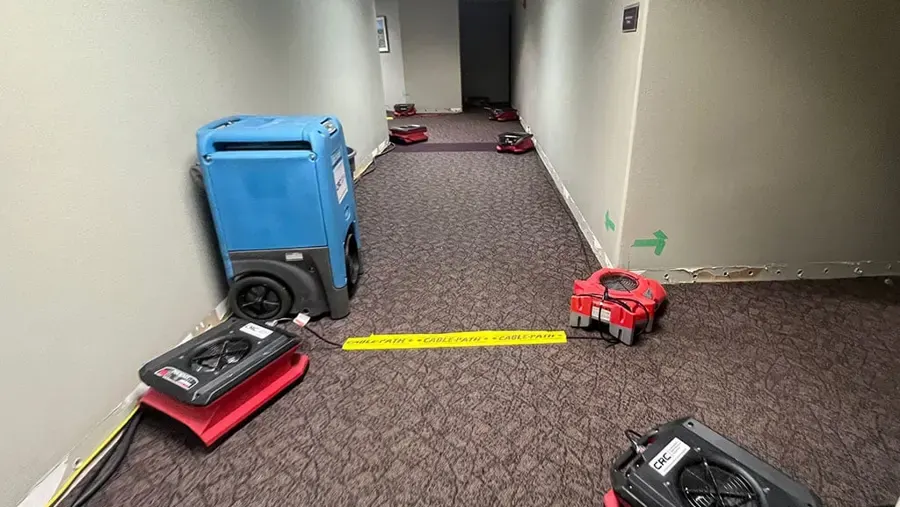
Commercial Water Damage
Square storefronts and big distribution buildings along I-40 and US 70 dried in phases.
See commercial water damageWhat to do right after a Lebanon water loss
Acting early keeps a Lebanon water loss smaller. These five steps buy time for the drying team, whether the water came from a pipe, a creek or a sewer.
(888) 849-5796Water still rising in Lebanon? Call now.- 1
Stop the source
Turn the main shutoff fully off. It is often found in a garage, a closet or near where service enters.
- 2
Shut off electricity to wet areas
Throw breakers only while standing on dry ground, and keep away from sockets close to pooled water.
- 3
Assume creek water is filthy
Water that spills from Sinking Creek, Town Creek or Spencer Creek brings soil and sewage, so wear boots and gloves and keep pets clear.
- 4
Photograph before you move things
Take wide and close shots plus the water line on walls, because the claim file starts with those pictures.
- 5
Raise what you can, then call
Lift rugs, papers and electronics off the floor. Damp materials can grow mold within 24 to 48 hours.
A Lebanon dry-out finished by readings, not looks
A room that looks dry can still hold wet framing. Equipment in a Lebanon home keeps running until meters show the materials matching a dry sample, and the daily log is what proves it.
- 1
Map the wet materials
A walkthrough with pinless meters and thermal imaging finds moisture in walls, subfloors and ceilings, not only what shows on the surface.
- 2
Pull out the standing water
Truck-mounted units and portable extractors clear floors and press water from carpet and pad before it travels.
- 3
Stage air movers and dehumidifiers
Equipment is sized to the class of loss, with desiccant units brought in for older hardwood, plaster and masonry.
- 4
Log readings until the goal
Each day's numbers go in a log, and equipment leaves once framing and floors read within 2 to 4 points of a dry sample.
All water damage categories covered in Lebanon, TN
Category 1: clean water
Broken supply pipes and failed fittings. Found early, most walls and floors dry without removal.
Burst pipe water damageCategory 2: gray water
Appliance discharge and AC drain overflow. Soaked pad comes out and hard surfaces are sanitized.
Appliance leak water damageCategory 3: black water
Sewage backups and creek overflow. Anything porous that absorbed it comes out instead of drying.
Sewage backup cleanupWhat does water damage restoration cost in Lebanon, TN?
Most Lebanon water damage restoration lands between $1,200 and $25,000. A small clean leak sits near the bottom, while creek flooding or sewage across several rooms climbs toward the top, driven by the water category, square footage, materials and how soon drying began.
Typical ranges, not quotes. The water damage cost calculator and the drying time estimator give a closer read on a specific Lebanon loss.
One-room clean leak
$1,200 to $3,800- Pump-out and extraction
- Drying in place
- Meter readings each day
Whole floor or crawl space
$3,800 to $9,500- Pad or insulation pulled
- LGR and desiccant units
- Documented claim file
Creek water or sewage, many rooms
$9,500 to $25,000+- Category 3 water removed
- Containment, HEPA scrubbing
- Longer structural drying
How the Lebanon drying crew handles a water loss
Water moves through a Lebanon home along framing, under flooring and inside wall cavities. In a historic house with original hardwood or a young townhome with shared walls, the crew follows the moisture with meters.
Round-the-clock dispatch
Active water in Lebanon gets priority at night, on weekends and on holidays.
Drying proven by readings
Equipment is matched to the loss class, and the structure is dried, not only the surface.
Records for the adjuster
Moisture maps, daily logs and dated photos are captured before tear-out starts.
Wilson County water know-how
Flashy creeks, Square flooding, limestone ground and storm-torn roofs are what the crew sees most in Wilson County.

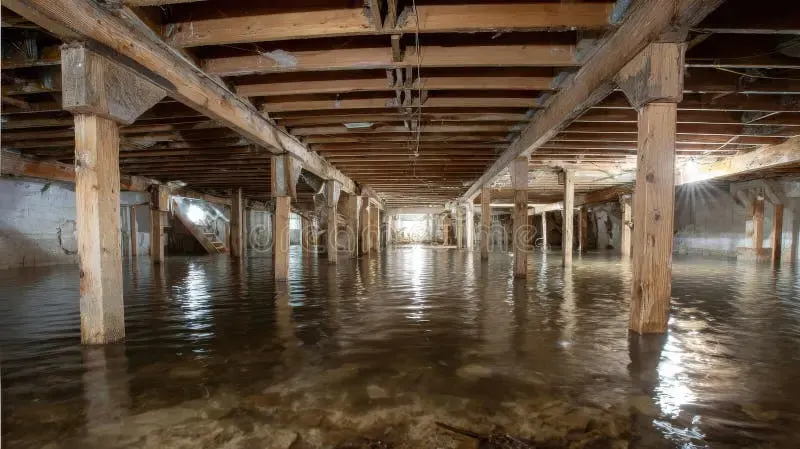
What a typical water damage dry-out looks like around Lebanon

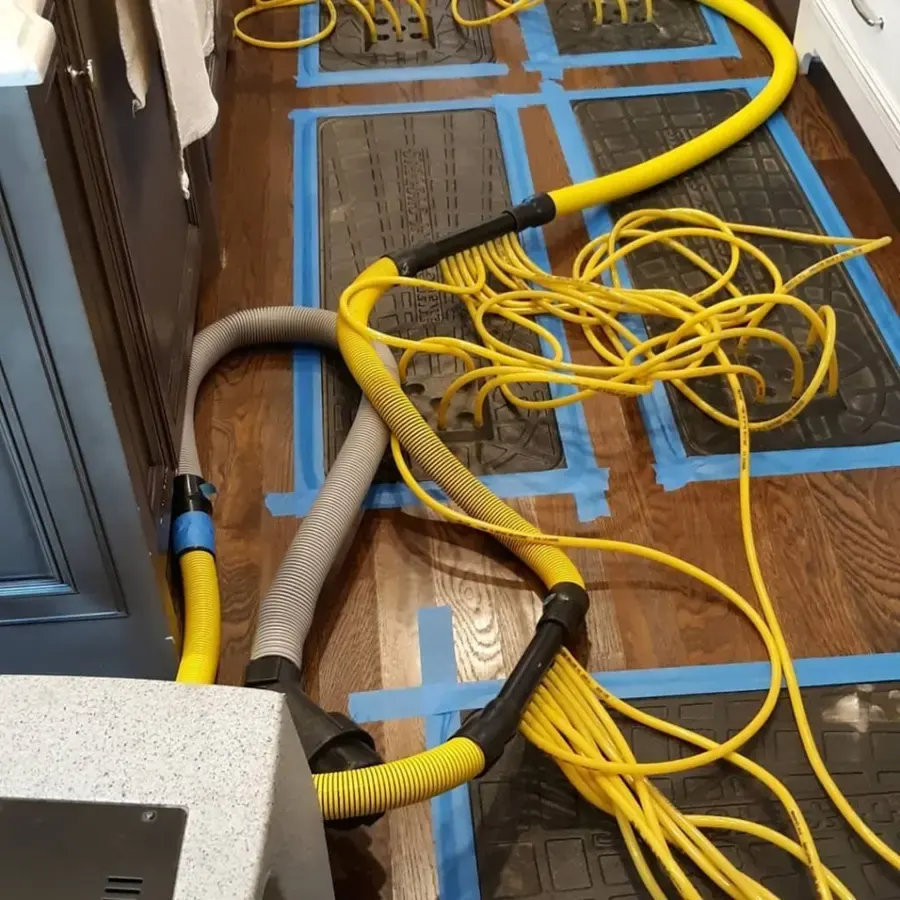
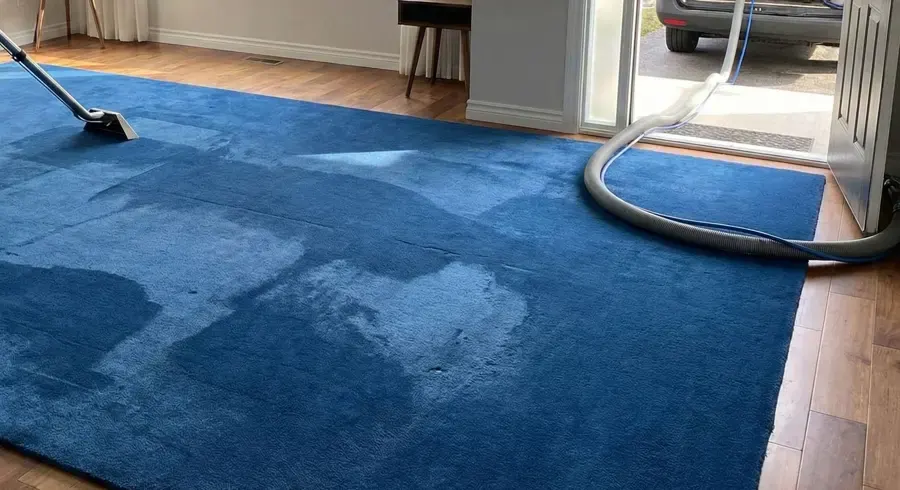
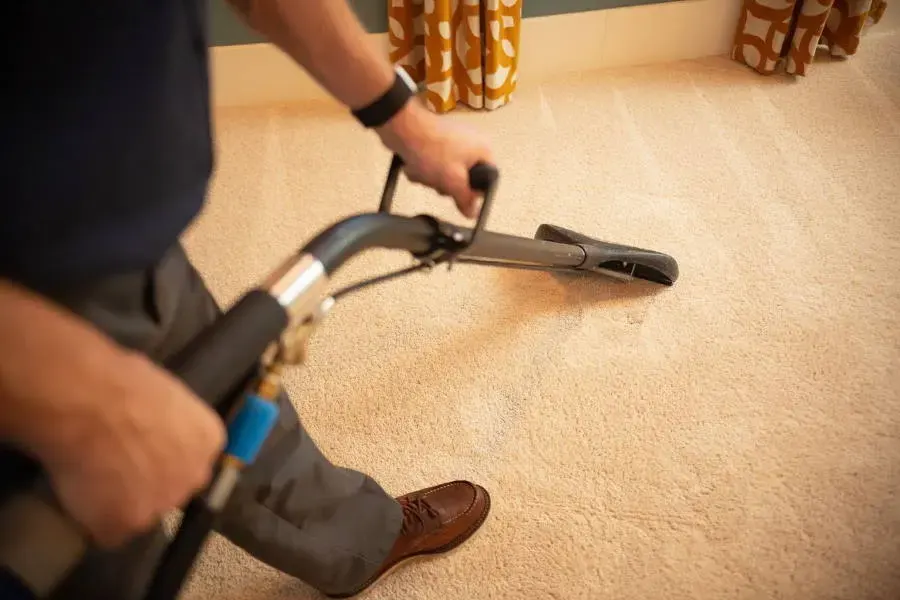
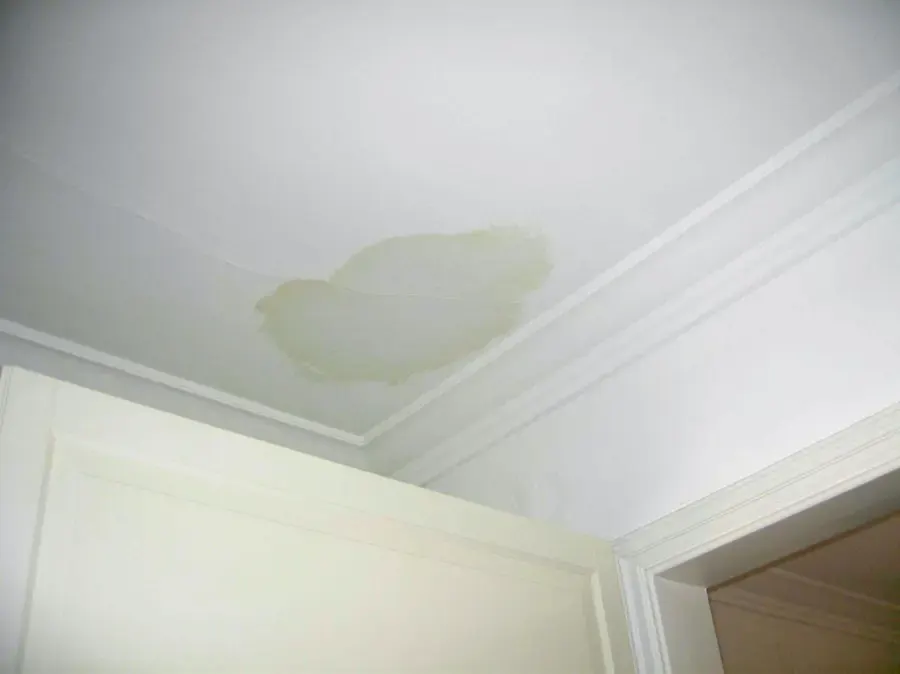
Records that support a Lebanon claim
Adjusters decide a water claim from the documents in front of them. A complete Lebanon file carries each of these records.
- A moisture map drawn on the first visit that marks each wet material
- Daily readings of air and materials until the drying goal is reached
- Time-stamped photos shot ahead of any tear-out
- The water category and loss class, which decide what is removed or dried
- An itemized scope laid out the way adjusters read it
Water damage restoration across Lebanon and Wilson County
Lebanon neighborhoods and corridors
ZIP codes
Nearby towns
Water damage in Lebanon, TN: the local risk profile
Lebanon sits in the Central Basin of Middle Tennessee, over shallow limestone where sinkhole systems dot Wilson County. Sinking Creek is a very flashy stream, and about 54 inches of rain a year keeps the ground and the creeks working.

- February 1989
Sinking Creek flooded most of downtown Lebanon.
- May 2010
Sandbags went up around Lebanon on May 2, and floodwater on the Lebanon Square reached almost three feet.
- March 2020
The Nashville tornado weakened to a high-end EF1 in Lebanon and damaged homes, businesses and Lebanon Municipal Airport.
- March 2021
About 7 inches of rain fell in roughly 24 hours, Town Creek overflowed on the Square and TEMA counted 50 downtown businesses with water damage.
Flashy creeks and the Square
Sinking Creek rises fast and runs under and around the Lebanon Square, where older masonry shops have taken water more than once.
Storm-opened roofs
Wind and tornado damage let rain into attics, and about 54 inches of rain a year finds every opening before a ceiling stain shows.
Hard freezes in winter
Winter highs near 47 F and freezing nights can split exposed supply pipes in crawl spaces and attics.
Shared walls and ceilings
Townhomes and apartments mean one unit's leak can come through a neighbor's ceiling, and about 37.6 percent of homes are renter-occupied.
Lebanon water damage questions, answered
What comes first when water turns up in a Lebanon home?
Stop the flow at the main or the fixture, shut off electricity only if the panel is dry, avoid pooled water near sockets, take photos of the damage, then call for extraction before materials soak through.
Does anyone take water damage calls at night in Lebanon?
Yes. Crews dispatch around the clock for 37087 and 37090, and running water takes priority on nights, weekends and holidays.
Which problems cause the most water damage in Lebanon houses?
Creek overflow and heavy rain, roofs opened by wind or the 2020 tornado, supply pipes split in hard freezes, plus water heater, appliance and AC drain leaks, and leaks coming through shared townhome ceilings.
Is creek floodwater treated differently from a pipe leak?
Yes. Creek water counts as Category 3 on entry, so absorbent materials it reached are removed and surfaces are sanitized. A clean pipe leak caught early often dries in place. See sewage backup cleanup.
Why do shops around the Lebanon Square flood so often?
Sinking Creek is described as very flashy, and it runs beneath and around the Square. Town Creek spilled over there in March 2021, and South Cumberland Street has chronic flooding as well.
How long does drying usually take?
A single room with low-porosity finishes can be done in three to five days. Dense materials such as hardwood, plaster and brick, along with crawl space framing, take more time, and humid summers slow things further.
Do older historic-district homes dry differently?
Often, yes. Original hardwood and plaster hold moisture and cup or crack if drying drags, so the crew uses desiccant units and checks readings more closely in these houses.
What does the IICRC S500 standard cover?
It sets how water losses are categorized and classed, how moisture is mapped, how equipment is sized and what counts as dry. Readings against a dry reference decide when equipment leaves.
Will insurance pay for water damage?
A sudden pipe break is often covered. Rising creek water usually needs flood coverage, and sewer backup may need an endorsement. Coverage depends on the policy, so check with your own insurer.
When must drywall be cut out?
When readings show it will not dry in place, when the insulation behind it is saturated, or when Category 3 water touched it. Clean water found early frequently dries without removal. See crawl space water damage for what happens under floors.
Water in a Lebanon house or shop? Get the drying started now.
The drying team extracts the water, dries the structure to the IICRC S500 standard and records every step for the claim, across Lebanon and Wilson County.
(888) 849-5796Lebanon emergency water removal- 24/7 dispatch for active water
- Dried to the IICRC S500 standard
- Daily readings for the claim file
- Find us on Google