Apartment and Townhome Water Damage in Gallatin, TN
In attached housing one leak becomes everyone's problem. The restoration team traces water through shared walls and ceilings, dries every affected unit and keeps separate records for each.
(888) 849-5796Get a unit-to-unit leak traced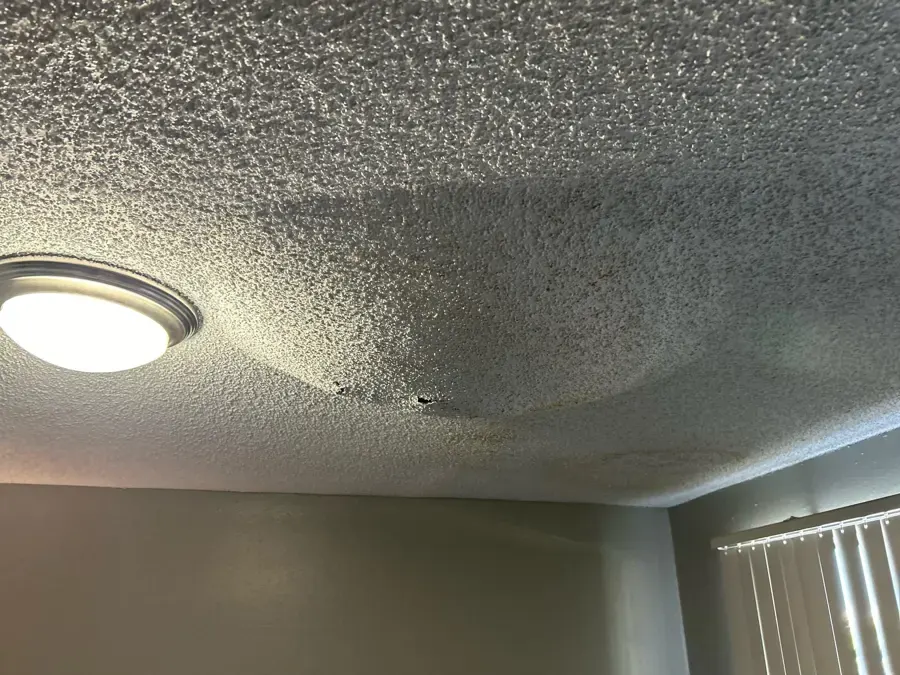
About 42.9 percent of occupied homes in Gallatin are rented, reflecting the many apartment complexes and new attached townhome developments along the city's main corridors. In attached housing, a washer hose, toilet or water heater in one unit can soak the ceiling, walls and floors of the units below and beside it.
First steps for apartment and townhome water damage in Gallatin
- 1
Tell the manager or HOA
Report the leak and ask for the source unit's water to be shut off.
- 2
Shut your own valves
If the leak is in your unit, close the fixture valve or the unit main.
- 3
Photograph your belongings
Document furniture, electronics and floors before moving them.
- 4
Keep clear of wet ceilings
Stay out from under sagging drywall and switch off wet fixtures.
What does apartment and townhome water damage cost in Gallatin, TN?
In Gallatin, TN, apartment and townhome water damage cleanup typically runs $900 to $12,000, depending on the number of units affected, the water category, how many ceilings and shared walls got wet and how fast drying started.
One unit, clean water
$900 to $2,500- Extraction
- Moisture mapping
- Daily readings
Source unit plus one below
$2,500 to $6,000- Ceiling opened below
- Shared wall drying
- Separate records
Several units or Category 3
$6,000 to $12,000- Multi-unit containment
- Material removal
- Extended drying
Ranges are typical, not a quote: category of water, square footage, material class and how fast drying started move the number most. Run the Gallatin water damage cost calculator for a closer range.
How apartment and townhome water damage is handled in Gallatin
The tech who does the walkthrough maps moisture before any equipment goes down, so the drying plan matches what is actually wet. Equipment stays until the readings say dry, not until it looks dry.
- 1
Trace the source
The team finds the unit and fixture the water came from.
- 2
Map every unit
Readings in each connected unit, above, below and beside.
- 3
Extract and open
Water pulled; wet ceilings and walls opened where needed.
- 4
Dry and document
Separate logs and photos for each unit until all reach the goal.
How water moves between units
Water follows plumbing chases, runs along shared walls and drops through floor and ceiling assemblies. The stain in your unit may come from two floors up. Fire separation walls and sound insulation hold water and dry slowly.
- Upstairs toilets, tubs and washers leaking into the unit below.
- Water heaters and AC pans in closets and attics; see AC leak water damage.
- Sprinkler and supply pipe leaks in shared spaces.
What the restoration team does
The team maps moisture in every connected unit, not only the one that called. Each unit gets its own readings, photos and drying records, which helps when more than one insurer and a property manager are involved. Drying equipment is placed to work across shared walls and ceilings at once.
- Moisture mapping in the source unit and every neighbor.
- Separate drying logs and photos for each unit.
- Equipment set to keep shared hallways passable.
Renters and owners
Renters should tell the property manager right away and photograph their belongings; the building's policy usually covers the structure, while renters insurance covers belongings. The EPA indoor air quality pages and EPA mold cleanup page explain why shared walls must dry fully. Ceiling leak water damage covers single-home leaks.
Apartment and townhome water damage across Gallatin and Sumner County
The Gallatin restoration crew covers ZIP 37066, from the Public Square and the older streets off Hartsville Pike out to Fairvue Plantation, Foxland Harbor and the Station Camp area.
Nearby coverage reaches Hendersonville, White House, Millersville, Castalian Springs, Portland.
Related water damage services in Gallatin
Apartment and Townhome Water Damage questions in Gallatin, TN
Who pays when water comes from the unit above?
It depends on the cause, the lease or HOA rules and each policy. The building, the source unit and your own policy may all play a part, so check with your insurer and manager.
Does renters insurance cover my belongings?
Often, yes. Renters insurance usually covers personal property; the building policy covers the structure.
Why check units that look dry?
Water travels inside shared walls and ceilings before it shows. Meters find it early.
Can I stay in my unit during drying?
Usually, for clean water. Sewage or large losses may require leaving the affected rooms.
Do I need separate paperwork for each unit?
Yes, when more than one owner or insurer is involved. Each unit's readings and photos stand on their own.
How long does multi-unit drying take?
Most losses dry in 3 to 5 days; shared fire walls and stacked ceilings can take longer.
Leak between units in Gallatin? Call now.
Shared walls and ceilings stay wet until someone dries them. The restoration team maps and dries every connected unit.
(888) 849-5796Dry every affected unit- 24/7 dispatch for active water
- Dried to the IICRC S500 standard
- Daily readings for the claim file
- Find us on Google