Crawl Space Water Damage in Gallatin, TN
Water under the house is easy to miss and slow to leave. The crawl space crew pumps it out, pulls the soaked vapor barrier and dries the joists and subfloor before the humidity climbs into the rooms above.
(888) 849-5796Get the crawl space pumped out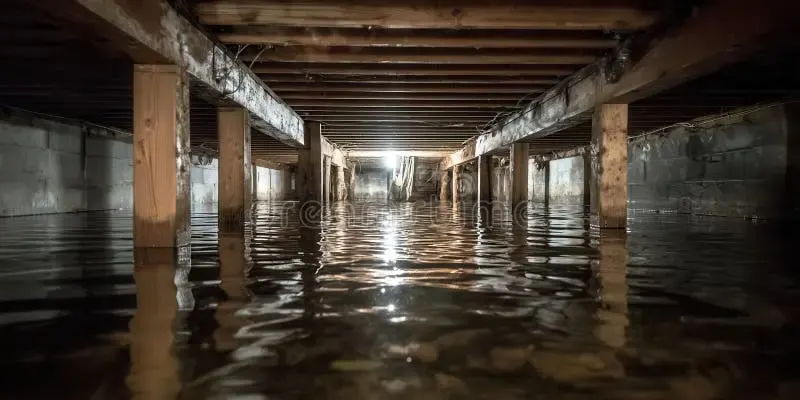
Crawl-space homes sit along Gallatin's flood-prone creek areas, and the May 2024 storm proved it: Town Creek, normally dry, pushed into the Barton Drive area and water reached floors and the ductwork under homes. Once water is under a house it pools on the vapor barrier, soaks insulation and keeps the subfloor damp for weeks unless someone pulls it out.
First steps for crawl space water damage in Gallatin
- 1
Stay out of the crawl space
Floodwater near wiring and ductwork is a shock and contamination risk.
- 2
Shut the water main
If a pipe is the source, close the main valve in the garage or utility closet.
- 3
Photograph from the hatch
Take photos from the access door to show the depth and the wet insulation.
- 4
Watch the floors above
Note soft spots, cupping boards or a musty smell, then call for extraction.
What does crawl space water damage cost in Gallatin, TN?
In Gallatin, TN, crawl space water damage cleanup typically runs $1,200 to $15,000, depending on the water category, the crawl space size, how much insulation and vapor barrier got soaked and how long the water sat.
Small, clean water
$1,200 to $3,000- Pump-out
- Vapor barrier removal
- Air movers and dehumidifier
Full crawl space
$3,000 to $7,500- Insulation removal
- Antimicrobial on framing
- Daily joist readings
Creek water or long-standing
$7,500 to $15,000- Category 3 protocol
- HEPA air scrubbing
- Extended drying
Ranges are typical, not a quote: category of water, square footage, material class and how fast drying started move the number most. Run the Gallatin water damage cost calculator for a closer range.
How crawl space water damage is handled in Gallatin
The tech who does the walkthrough maps moisture before any equipment goes down, so the drying plan matches what is actually wet. Equipment stays until the readings say dry, not until it looks dry.
- 1
Inspection from the hatch
The crew checks depth, the source, wiring and ductwork before anyone goes in.
- 2
Pump and remove
Standing water pumped out, wet vapor barrier and insulation bagged and removed.
- 3
Treat and dry framing
Antimicrobial where needed, then air movers and an LGR unit on joists and subfloor.
- 4
Verify and reseal
Wood readings match the dry reference before a new vapor barrier goes down.
How water gets under a Gallatin house
Thin, clay-mixed soil over limestone drains slowly here, so storm water collects against foundations and runs into low crawl spaces. Creek overflow along Station Camp Creek, East Camp Creek and Town Creek adds floodwater that counts as Category 3. Inside sources matter too: a split supply pipe in a freeze or a leaking water heater drain can run for days before anyone notices a musty smell.
- Creek and storm water entering through vents, block walls or the access door.
- Supply pipe failures after a hard freeze; see frozen pipe cleanup.
- Ductwork condensation and AC drain leaks in humid Tennessee summers.
What the crawl space crew does
The crew suits up with respirators because crawl space water is usually Category 2 or 3. Pumps clear the standing water, then the soaked vapor barrier and any wet insulation come out, since neither dries in place. Air movers and an LGR dehumidifier dry the joists, sill plates and subfloor, and wood readings decide when the job is finished, not the calendar.
- Joist and subfloor readings are logged daily against a dry reference.
- An EPA-registered antimicrobial goes on wood that touched contaminated water.
- Ductwork under the floor is checked for water before the HVAC runs again.
Why crawl space water shows up upstairs
Moist air under the house rises into the living space, so a wet crawl space shows up as cupping hardwood, a musty smell and higher indoor humidity. The EPA moisture and mold overview explains why damp framing matters, and Ready.gov flood safety covers staying safe around floodwater. Structural drying covers the drying side in more detail.
Crawl space water damage across Gallatin and Sumner County
The Gallatin restoration crew covers ZIP 37066, from the Public Square and the older streets off Hartsville Pike out to Fairvue Plantation, Foxland Harbor and the Station Camp area.
Nearby coverage reaches Hendersonville, White House, Millersville, Castalian Springs, Portland.
Related water damage services in Gallatin
Crawl Space Water Damage questions in Gallatin, TN
How do I know there is water in my crawl space?
Common signs are a musty smell inside, soft or cupping flooring, higher humidity and condensation on ducts. A look from the access hatch with a flashlight usually confirms it.
Is crawl space water harmful?
It is often Category 2 or 3 because it has crossed soil, and creek water always is. It also raises humidity in the house, which encourages mold on wood within days.
Does the vapor barrier have to be replaced?
A barrier with water pooled on top is usually removed so the soil and framing underneath can dry, then replaced once readings are normal.
How long does drying take under the house?
Most crawl spaces dry in 3 to 7 days once the water and wet insulation are out. Thick sill plates and saturated subfloor can take longer.
Can the floor above be saved?
Hardwood that is cupping can often flatten again once the crawl space is dried quickly. Waiting is what turns cupping into replacement.
What keeps water out of a Gallatin crawl space?
Gutters and downspouts that discharge away from the house, soil graded away from the foundation and a drain in low spots do the most good.
Creek water under the house? Get it pumped out.
Wet joists and subfloor do not dry on their own in Tennessee humidity. The drying team sets equipment as soon as the water is out.
(888) 849-5796Gallatin crawl space drying, 24/7- 24/7 dispatch for active water
- Dried to the IICRC S500 standard
- Daily readings for the claim file
- Find us on Google