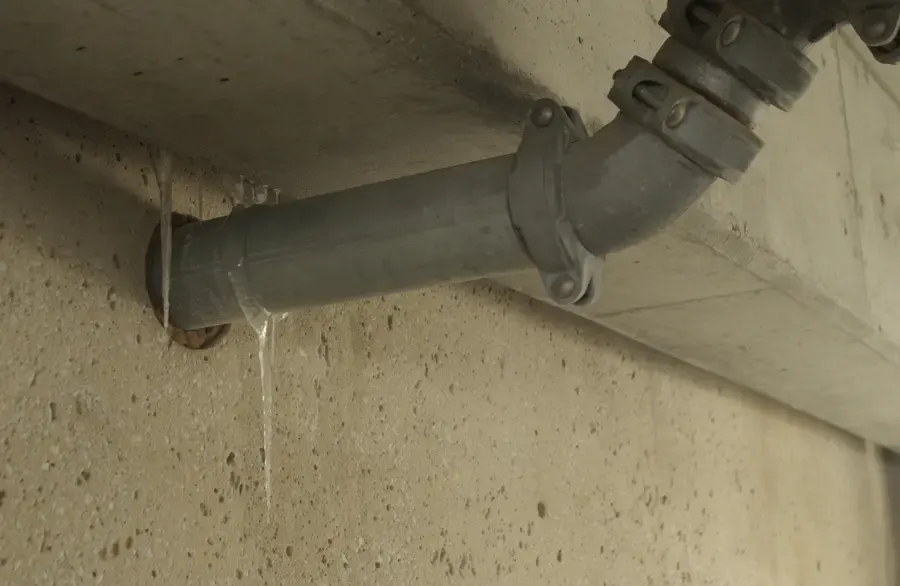
The January 25, 2026 ice storm brought lows near 5 F and long power outages to Gallatin. For many homes, the real water damage came days later, when frozen pipes thawed and the splits finally opened.
Key takeaways
- A frozen pipe usually splits while it is frozen, but the water only flows once the ice melts.
- Breaks hide in exterior walls, attics and crawl spaces, where cold air reaches pipes first.
- Long outages left houses without heat, so even pipes in ordinary indoor walls were at risk.
- At the first sign of a leak, shut off the water at the main valve and then call for extraction and drying.
- Drying has to reach the wall cavity, insulation and subfloor, not only the visible puddle.
What the January 2026 storm did to pipes
Gallatin sees single digit cold only now and then, but when it arrives it matters. On January 25, 2026, the ice storm pushed lows to about 5 F and left many homes without power for a long stretch.
Without power, furnaces and heat pumps stop, and a house cools quickly. Pipes in outside walls, attics and crawl spaces were the first to freeze.
Because most Gallatin homes are frame houses with brick or brick and siding fronts, there are many exterior walls where supply pipes sit close to the cold.
The same pattern repeats in any hard freeze. The cold arrives first, the outage stretches it out and the damage shows up when the weather warms.
Why the leak appears after the thaw
Water expands as it freezes, and that pressure can crack a pipe or split a joint. While the ice is still solid, it acts like a plug and holds the water in.
When temperatures rise and the ice melts, water pours out through the crack. That is why a house can seem fine during the storm and flood later, sometimes when no one is home.
A house that lost heat for a day or more may have several breaks, not just one. That is why a thaw is the right time to walk through the whole house and check every wall that backs onto the outside.
- During the freeze: the pipe is cracked but plugged with ice, so nothing leaks.
- At the thaw: the ice melts and water flows through the split.
- After the thaw: pressure returns and the leak runs until the water is shut off.
Where frozen pipes hide in a Gallatin house
The most common spots are the ones closest to outside air.
Exterior walls and attics
A pipe in an outside wall has little insulation between it and the weather. Water from a split there runs down inside the wall cavity and soaks the insulation and drywall.
Attic pipes and pipes above ceilings can leak into the ceiling below, and the stain may appear far from the break.
Crawl spaces
Supply pipes under a house can freeze when cold air gets through vents and gaps. A break under the floor can run unseen for a long time and soak the subfloor and joists.
A sudden drop in water pressure, or a meter that spins when nothing is running, can point to a hidden crawl space leak.
What to do as soon as a break is found
Act in order. Each step limits the damage.
A pipe that froze but did not split can still be a weak point. Watch it for slow drips over the next few weeks.
- Shut off the main water valve to the house.
- Turn off power to wet areas at the panel if it can be done safely.
- Open a faucet at the lowest point to drain what is left in the pipes.
- Take photos of the break and the wet areas for the insurance file.
- Do not use open flame to thaw a frozen pipe, since it can start a fire.
How the cleanup works
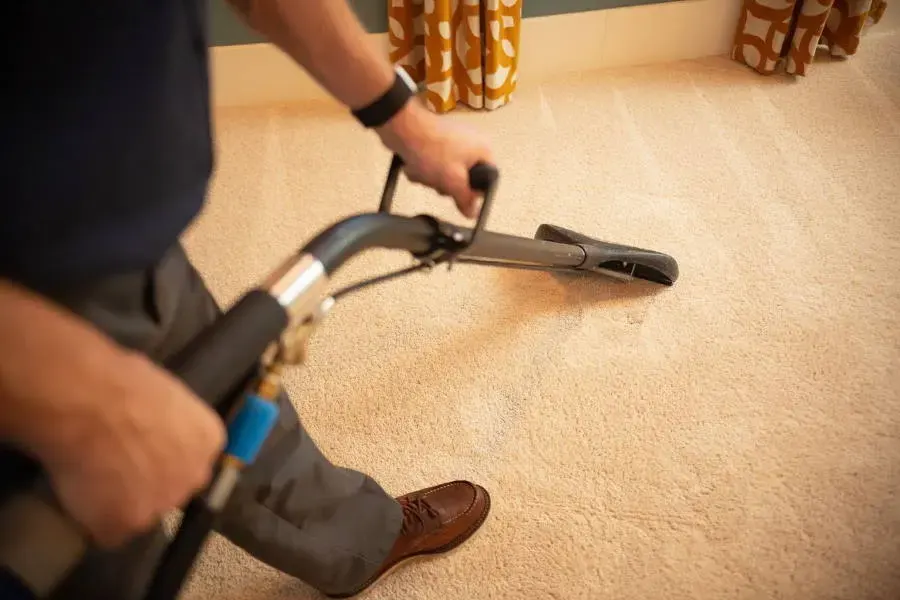
The extraction crew removes standing water first. After that, moisture readings show how far water went into walls, ceilings and floors.
The drying team opens walls only where the meters say they need it. Wet insulation comes out, and the cavity is dried with air movers and dehumidifiers.
A plumber repairs the pipe itself, and drying is scheduled so the repair and the wall closing happen in the right order. Closing a wall before readings reach the target can trap moisture.
When more than one room is wet, the drying team maps the readings so equipment is placed where the water actually went, not just where the stain is visible.
- Extraction of standing water.
- Moisture readings in walls, ceilings and floors.
- Removal of wet insulation and damaged drywall.
- Drying with air movers and dehumidifiers until readings reach the target.
Signs a pipe split during the freeze
Some splits announce themselves with a hiss or a sudden stream. Many do not, especially when the break is inside a wall or under the floor.
A few quiet clues can show up in the days after a hard freeze. Spotting them early keeps a small break from becoming a soaked wall.
- Low pressure: a faucet that runs weakly when others are fine.
- Sounds: dripping or running water inside a wall when every fixture is off.
- Stains: a new brown spot on a ceiling or the base of a wall.
- Odor: a damp, earthy smell in a closet, cabinet or crawl space.
- Meter movement: the water meter turns while nothing in the house is running.
Getting ready for the next cold snap
Gallatin can see single digit cold again. A few simple habits help protect pipes, and they cost little compared with a flooded wall.
For the full service, see frozen pipe cleanup in Gallatin and burst pipe water damage. The service area page shows the neighborhoods and nearby towns covered.
- Know where the main shutoff valve is and test that it turns.
- Open cabinet doors on exterior walls during a hard freeze.
- Let a faucet drip when lows are forecast near the single digits.
- Keep heat on and check the house during a long power outage.
Questions
Why did my pipe not leak until days after the freeze?
Ice can plug a cracked pipe. When the ice melts, water flows through the crack, so the leak shows up after the thaw.
Is it safe to thaw a pipe myself?
Gentle warm air can help, but never use an open flame. If the pipe may already be split, shut off the main valve first.
Where do frozen pipes usually split in a house?
Most splits happen in exterior walls, attics and crawl spaces, where cold air reaches the pipes before it reaches the living space.
What should I shut off first when water starts flowing?
The main water valve. After that, turn off power to wet areas at the panel only if it can be done without stepping into water.
Do I need drying if the pipe was repaired?
Yes. A repair stops the leak but not the moisture already in walls and floors, which needs readings and controlled drying.